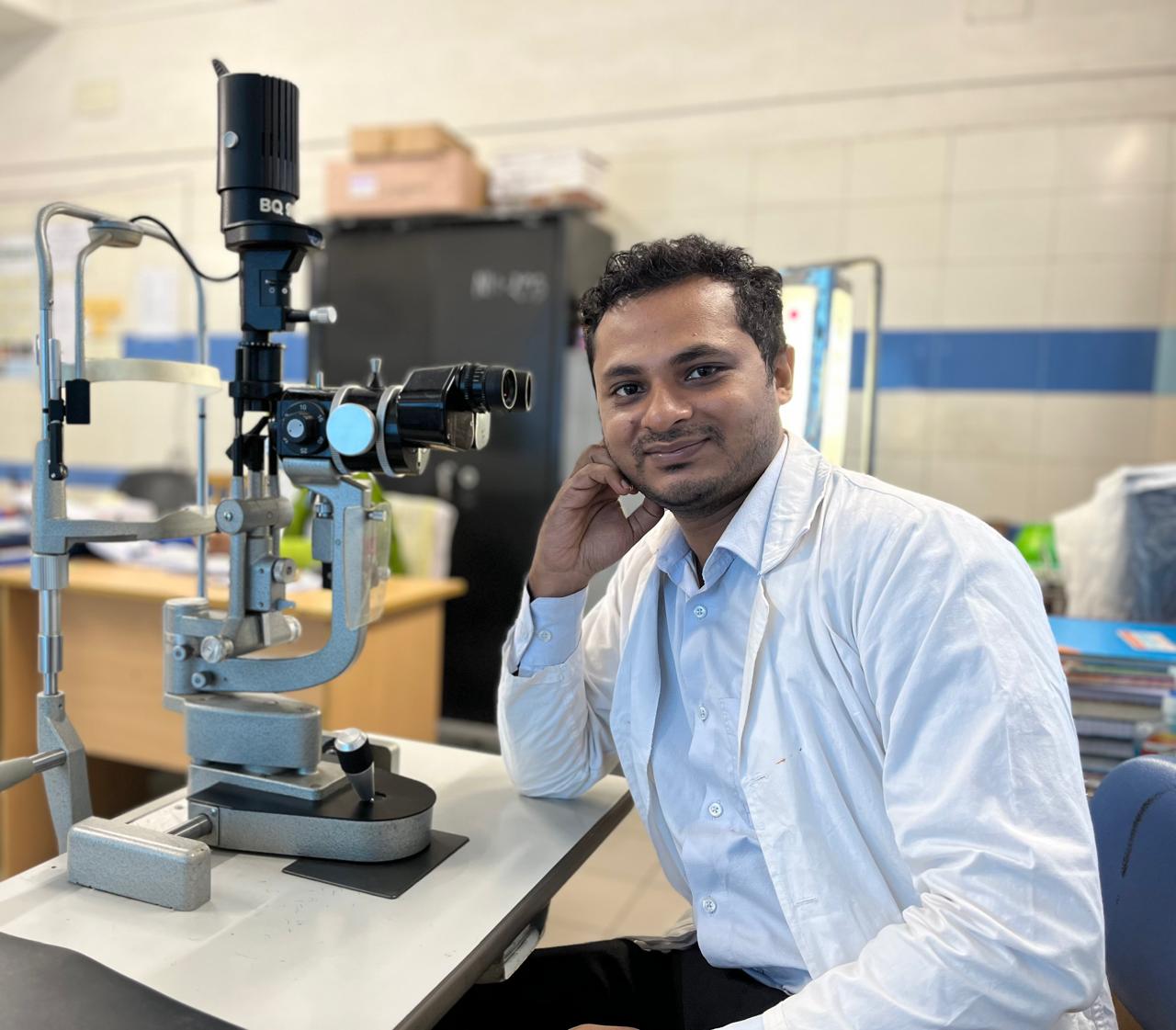
Your eyes are one of the most vital organs of your body — yet often the most neglected. Many serious eye diseases develop silently, without early symptoms, and by the time you notice a problem, the damage may already be advanced. That’s why a comprehensive eye check-up is not just about getting a new glasses prescription — it’s about protecting your vision for life.
What Is a Comprehensive Eye Check-Up?
A comprehensive eye examination is a detailed assessment of your overall eye health and visual function. Unlike a basic vision screening, it includes multiple diagnostic steps to detect early signs of diseases such as:
- Cataract – Clouding of the eye’s natural lens causing blurred vision.
- Glaucoma – Increased eye pressure damaging the optic nerve.
- Diabetic Retinopathy – Damage to the retina due to high blood sugar.
- Refractive Errors – Nearsightedness, farsightedness, or astigmatism.
- Retinal & Corneal Diseases – Conditions affecting the back and front layers of the eye.
What Happens During an Eye Check-Up?
During your visit, a specialist may perform:
- Visual acuity test (to check how well you see)
- Refraction test (for glasses or lens correction)
- Slit-lamp examination (to check cornea, iris, and lens)
- Tonometry (to measure eye pressure)
- Retinal evaluation (to detect diabetic or age-related changes)
These tests are quick, safe, and completely painless.
Who Should Get Regular Eye Exams?
- Children: Every 1–2 years to detect early vision problems
- Adults (20–40): Every 2 years or sooner if you have symptoms
- Above 40 years: Every year — especially if you have diabetes, hypertension, or family history of glaucoma
Visit for a Complete Eye Check-Up
Get your eyes tested with modern diagnostic equipment and personalized care.
Your vision deserves the best attention — book your appointment today!
Sir Salimullah Medical College Mitford Hospital, Dhaka
01516177636
www.drtajul.com